
Where Open Skies Meet Living Meadows

Roots That Stitch the Earth
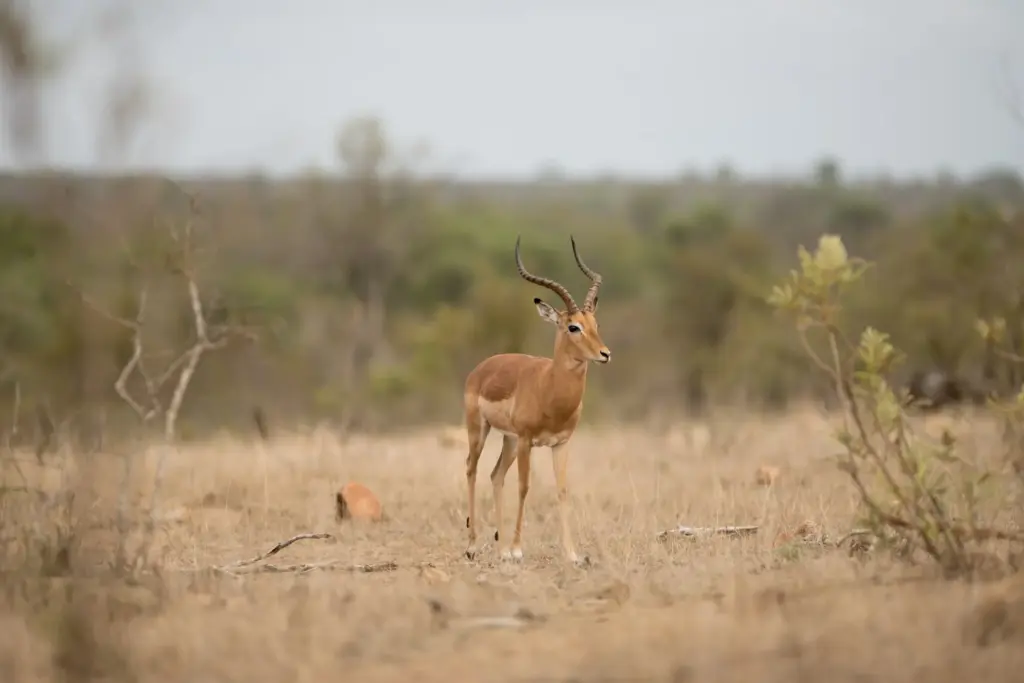
Wildlife That Needs the Horizon
Threats You Can See from Miles Away

From Science to Stewardship
People of the Open Country
A Dawn with a Ranch Family
Coffee steams in the prelight as meadowlarks test the air. Fences get checked, calves counted, and a firebreak widened before heat rises. Their pride in grass condition, not just weight gain, shows how profitability and beauty align when pastures stay varied, water is shaded, and views stay open for tomorrow’s riders.
Elders Who Read the Wind
An elder traces a weather line with a palm, naming grasses in a language grown from this soil, teaching that songs travel farther when nothing blocks the breath of the land. Protocols for gathering, burning, and celebration remind planners that respect is practical, and visibility can be a cultural responsibility, not ornament.
A Hiker’s First Big Sky
A visitor crests a hill expecting another grove of trees and instead meets distance without edges. Breathing eases, conversations quiet, and time stretches. That moment recruits a lifelong volunteer who will show up for weed pulls, write letters, and donate because gratitude, once sparked by space, keeps asking to give back.

Conservation Easements That Keep Grass Growing
Design Standards that Respect the Horizon
Walk, Record, Report
Choose a nearby trail or section road and repeat it through seasons, photographing the same frame and logging birds or blooms. Your notes reveal subtle shifts, alert managers to problems early, and create a personal archive of change that strengthens attachment and advocacy when tough tradeoffs arrive at council tables.
Travel Lighter, See Further
Plan routes that avoid fragile soils after rain, keep dogs leashed during nesting, and pack out microtrash that glitters across miles in afternoon light. Seeking sunrise or midday instead of dusk reduces wildlife disturbance and helps night skies recover, making your memories brighter while leaving almost nothing but footprints and gratitude.
Support the Guardians on the Ground
Local ranchers, tribal crews, volunteer fire departments, and land trust teams are the everyday hands keeping openness possible. Buying from producers who steward native range, donating tools or training funds, and writing thank‑you notes turns appreciation into momentum, ensuring the next generation inherits both viable livelihoods and unbroken views.
All Rights Reserved.