Where Open Skies Meet Living Meadows

Today we focus on conserving grasslands and protecting panoramic viewscapes, celebrating the quiet power of open horizons, resilient roots, and starlit skies. Expect practical guidance, real stories, and science-backed ideas you can apply locally to keep landscapes connected, wildlife thriving, and communities inspired by the unbroken sweep of land and light.

Roots That Stitch the Earth

Deep, perennial roots weave soil into a breathable sponge, slowing floods, storing surprising amounts of carbon, and feeding mycorrhizal networks that keep plants hydrated through long summers. Species like big bluestem, blue grama, and needlegrass tunnel meters down, stabilizing slopes that frame cherished viewpoints and preventing erosion scars from breaking the graceful continuity of the horizon.

Wildlife That Needs the Horizon

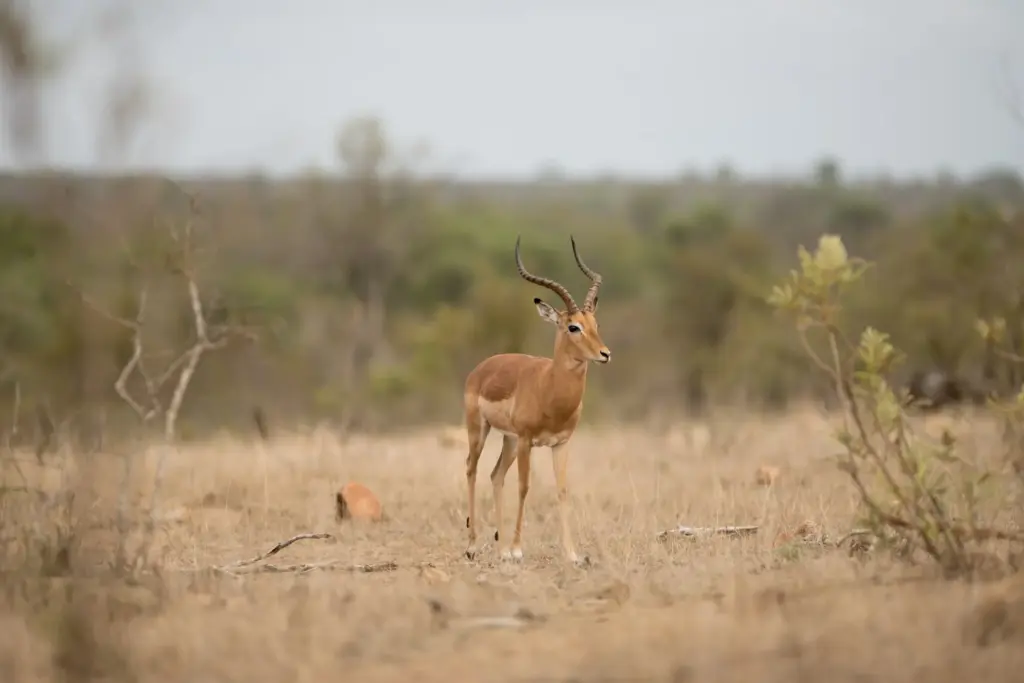
Many grassland animals navigate by line of sight, depending on unbroken distance to detect predators, coordinate breeding displays, or sprint without barriers. Pronghorn choose flight paths across wide benches, prairie-chickens drum and dance on open leks, and burrowing owls watch for coyotes from low mounds, proving that sweeping vistas are habitat requirements, not mere scenery.

Threats You Can See from Miles Away

Uncoordinated development, road grids, and careless planting can nick the grasslands a slice at a time, until openness collapses into clutter. Fragmentation breaks wildlife movements, invasive shrubs shade out natives, and even well‑intended infrastructure, if poorly sited, can pierce view corridors. Sensible planning, cumulative-impact thinking, and timely removal of encroaching woody growth keep land legible and skies expansive.
Every property line multiplied across a basin becomes a maze of fences, roads, and paddocks that isolates herds, shreds fire flow, and forces wildlife to detour into hazards. Cooperative grazing plans, wildlife‑friendly fencing, and shared water access reduce clutter while keeping livelihoods healthy and horizons visually coherent for travelers and neighbors alike.
When cheatgrass, sericea lespedeza, or leafy spurge arrive, the calendar of flowering collapses, changing nectar windows and dulling the seasonal palette that makes a view sing. Early detection, hand removal, targeted grazing, and pre‑fire greenstrips can hold lines, protecting blooming sequences, ground‑nesters, and the delicate tonal gradients that define memorable panoramas.
Light domes at the horizon wash out constellations that once guided migrations and stories, while engine noise and constant drone flights fragment quiet. Shields, curfews, darker bulbs, and community agreements restore nighttime drama, inviting owls, bats, and starstruck visitors back to an experience that feels both ancient and beautifully shared.

From Science to Stewardship

Managing openness is practical, repeatable work grounded in research and local memory. Patch‑burn mosaics invite diversity, rotational grazing mimics historic herds, and viewshed analysis in GIS reveals which ridgelines shape beloved experiences. When ranchers, tribes, scientists, and planners review maps together, decisions align with watersheds, culture, and vistas that truly matter to people and wildlife.

People of the Open Country

Conservation lasts when it honors the people who wake to the wind, share ancestral teachings, guide visitors, and steward working lands. Personal stories stitch policy to place, revealing motivations deeper than metrics. By listening across generations, we learn how livelihood, ceremony, and recreation can all flourish while the horizon stays unbroken and generous.

A Dawn with a Ranch Family

Coffee steams in the prelight as meadowlarks test the air. Fences get checked, calves counted, and a firebreak widened before heat rises. Their pride in grass condition, not just weight gain, shows how profitability and beauty align when pastures stay varied, water is shaded, and views stay open for tomorrow’s riders.

Elders Who Read the Wind

An elder traces a weather line with a palm, naming grasses in a language grown from this soil, teaching that songs travel farther when nothing blocks the breath of the land. Protocols for gathering, burning, and celebration remind planners that respect is practical, and visibility can be a cultural responsibility, not ornament.

A Hiker’s First Big Sky

A visitor crests a hill expecting another grove of trees and instead meets distance without edges. Breathing eases, conversations quiet, and time stretches. That moment recruits a lifelong volunteer who will show up for weed pulls, write letters, and donate because gratitude, once sparked by space, keeps asking to give back.

Conservation Easements That Keep Grass Growing
Voluntary agreements can retire development potential while keeping families on the land, unlocking tax benefits and funding for stewardship. When easements include provisions for view corridor preservation, invasive control, and compatible grazing, the result is stability you can see from the road: intact grass, clear horizons, and neighbors still waving.

Design Standards that Respect the Horizon

Thoughtful siting tucks structures below skylines, uses earth tones, and consolidates utilities to minimize silhouette. Setbacks from ridgelines, low-reflectivity materials, and clustered footprints reduce visual noise and wildfire exposure, letting wind and grass remain the protagonists while communities still add housing, schools, and renewable energy in places that fit.

Walk, Record, Report

Choose a nearby trail or section road and repeat it through seasons, photographing the same frame and logging birds or blooms. Your notes reveal subtle shifts, alert managers to problems early, and create a personal archive of change that strengthens attachment and advocacy when tough tradeoffs arrive at council tables.

Travel Lighter, See Further

Plan routes that avoid fragile soils after rain, keep dogs leashed during nesting, and pack out microtrash that glitters across miles in afternoon light. Seeking sunrise or midday instead of dusk reduces wildlife disturbance and helps night skies recover, making your memories brighter while leaving almost nothing but footprints and gratitude.

Support the Guardians on the Ground

Local ranchers, tribal crews, volunteer fire departments, and land trust teams are the everyday hands keeping openness possible. Buying from producers who steward native range, donating tools or training funds, and writing thank‑you notes turns appreciation into momentum, ensuring the next generation inherits both viable livelihoods and unbroken views.

Vanitoramiraravozavotunokavi
Privacy Overview

This website uses cookies so that we can provide you with the best user experience possible. Cookie information is stored in your browser and performs functions such as recognising you when you return to our website and helping our team to understand which sections of the website you find most interesting and useful.