Chasing the Line Where Earth Meets Sky

Welcome to A Photographer’s Guide to Capturing Open Grassland Horizons, a spirited journey through technique, timing, and storytelling across prairies, pampas, and steppes. Together we will explore light, composition, weather, gear, and ethics, while sharing real field experiences that spark curiosity, confidence, and community engagement through comments, questions, and future challenges.

Reading the Light Across the Plains

Out here, light behaves like a tide rolling across land, shifting character by the minute and reshaping every frame you compose. We will practice reading fronts, gauging contrast, exposing to protect highlights, and trusting histograms, while swapping field stories that turned near-misses into unexpected, horizon-wide keepers worth celebrating and analyzing together.

01

Golden hour that breathes across miles

Warm, raking sun reveals delicate grass textures and long shadows that carve depth into otherwise minimalist scenes. Position yourself crosswind to animate blades, meter for highlights, and consider a moderate telephoto to gently compress space. Share settings after sunset so others can learn from your evolving approach.

02

Blue hour clarity and subtle gradients

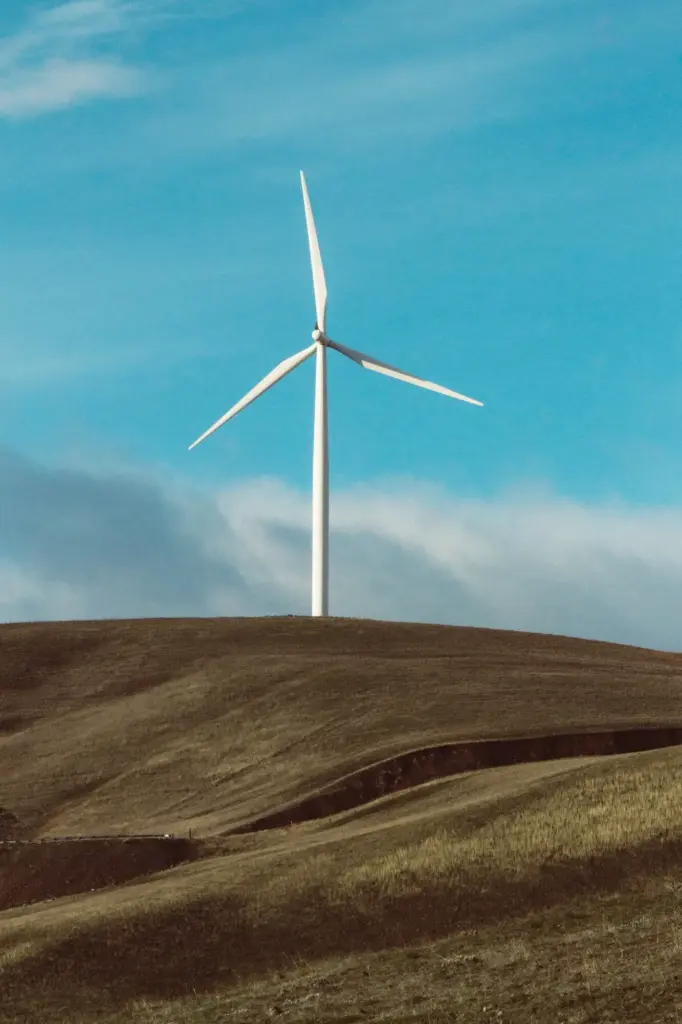
Blue hour softens contrast, stretches gradients, and gifts a calm palette where distant windmills, lone trees, or antelope silhouettes feel cinematic. Lock focus early, underexpose a touch for saturation, and embrace longer shutters. Invite conversation about color balance choices that best honor the stillness you witnessed.

03

Taming the relentless midday blaze

Midday can still sing if you chase patterns: cloud shadows marching across pasture, heat shimmer shaping mirage lines, or trails creating graphic diagonals. Use diffused moments behind veils of cirrus, deploy a polarizer carefully, and experiment with black-and-white. Post your comparisons to spark constructive critique and growth.

Compositions That Celebrate Distance

In landscapes defined by openness, intention begins with where you set the horizon and how you guide the eye through emptiness without clutter. We will practice negative space, foreground anchors, repeating textures, and panoramic ratios, building images that breathe while inviting viewers to imagine wind, scent, and history.

Gear That Travels Light But Sees Far

Mobility matters when tracks turn to ruts and winds rise. Pack a camera with strong dynamic range, reliable sealing, and intuitive controls. Choose versatile lenses, carry a solid yet portable tripod, and protect against dust. Discuss real kit failures and fixes so everyone leaves better prepared and calmer.

Lenses for expansive narratives

A 24–70 builds flexible foundations, a 70–200 gently compresses distant ridgelines, and a small prime like a 35 or 50 keeps you nimble while encouraging clarity in intent. Test edge sharpness against backlit grass. Report findings honestly, including trade-offs, to help others assemble kits that match their style.

Tripods, heads, and clever stabilization

Stability is survival when gusts arrive. Spiked feet grip soil, a compact ball head speeds adjustments, and a small sandbag tames vibration. Use a remote or self-timer, and leverage body stabilization wisely. Show behind-the-scenes setups so readers can adopt techniques that suit their vehicles, terrain, and patience thresholds.

Weather, Wind, and Moving Skies

Forecasts become creative partners on open rangeland. Watch pressure changes, dew points, and wind shifts that bend grass into living patterns and build dramatic cloud architecture. Prioritize safety, plan escapes, and embrace imperfect conditions. Your observations and questions will refine collective intuition about timing shots before, during, and after fronts.

Color Stories From Dawn to Dusk

Predawn pastels and gentle transitions

Before sunrise, cool blues mingle with faint magentas and distant amber hints. Expose softly to protect gradients, then nudge white balance toward neutrality or coolness to preserve serenity. Compare slight adjustments in tint to see how mood shifts. Encourage peers to share RAW files for communal grading experiments.

Sunset saturation without clipping

As saturation blooms, highlights test your restraint. Use exposure bracketing or gentle negative exposure compensation, then recover midtones with care. A subtle graduated mask can hold the sky while land breathes naturally. Post histogram screenshots and curves to demonstrate how you avoided banding and kept color believable under intensity.

Night on the prairie: quiet luminance

When darkness arrives, horizons whisper. Consider high-ISO tests, tracked sequences, or moonlit exposures that reveal texture without harshness. Keep compositions simple, calm vibrations, and plan star positions. Share noise-reduction and sharpening approaches that preserve fine grass detail while maintaining the tranquil, contemplative character your viewers silently enter.

Fieldcraft, Safety, and Stewardship

Great images should leave places better than we found them. Coordinate access respectfully, learn seasonal closures, avoid trampling cryptobiotic crusts, and mind ground-nesting birds. Pack out waste, close gates, and wave to neighbors. Please contribute local wisdom, contacts, and etiquette tips so trust deepens alongside stronger, more thoughtful photographs.

Access, permissions, and neighborly trust

Ranches and reserves depend on relationships. Ask before entering, honor boundaries, and offer images in thanks when appropriate. Park considerately, keep noise low, and never block tracks. Share scripts that worked when requesting permission, helping others approach caretakers with clarity, sincerity, and a promise of responsible, minimal-impact behavior.

Wildlife awareness and ethical distance

Pronghorn, bison, and ground-nesting birds deserve generous space. Long lenses help respect comfort zones while preserving natural behavior. Learn signs of stress, back off early, and teach friends the same. Collect and share field notes on distances, seasons, and patterns so compassionate habits become second nature for everyone visiting.

Tone shaping that honors subtlety

Work from global to local: establish a balanced base, then dodge highlights along grass ripples and burn bright sky edges for contour. Keep blacks breathable to avoid crushing detail. Provide screenshots and masks, demonstrating restraint and repeatable steps others can adapt to their unique camera profiles and scenes.

Color grading with a painter’s restraint

Favor small moves that preserve believability. Nudge hue in selective ranges, refine saturation gently, and let luminance steer attention. Use calibration and camera profiles thoughtfully. Share LUT comparisons and split-tone variations, explaining why certain combinations felt honest to the experience while others drifted toward spectacle at the expense of memory.

Panorama stitching that feels seamless

Pre-visualize aspect ratios, lock exposure and white balance, then overlap generously. In software, correct lens distortion, align horizons, and inspect seams at 100 percent. Finish with careful vignetting and dust-spot cleanup. Post full workflows, including missteps, so peers learn reliable, repeatable habits for stitching wind-swept, far-reaching stories.
Vanitoramiraravozavotunokavi
Privacy Overview

This website uses cookies so that we can provide you with the best user experience possible. Cookie information is stored in your browser and performs functions such as recognising you when you return to our website and helping our team to understand which sections of the website you find most interesting and useful.