
Where Rolling Horizons Begin
Today we journey into the geology behind gentle hills and wide-open vistas, tracing how ancient seas, quiet tectonic breaths, patient weathering, and meandering waters collaborate to soften rugged edges and lengthen horizons. We will read clues in bedrock, soils, and skyline, meet places where softness was earned grain by grain, and gather field-savvy ways to notice subtle forms that make a landscape feel restful, welcoming, and impossibly big.
Layers that Yield
Stack a tough sandstone over tender shale and return after a million muddy springs. The sandstone forms protective caps and ledges, yet the shale rounds and slumps, nourishing grasses and colluvial aprons. Where bedding dips gently, weak horizons become benches and swales, collecting moisture, soil, and wildflowers. Human paths often follow these yielding layers, unconsciously tracing the geology that softens every step underfoot and keeps the skyline quietly relaxed.
Erosion's Gentle Hand
Not all erosion is violent. Most days it is a whisper: rain splash knocking grains loose, soil creep inching downslope, worms, ants, and roots mixing particles into a living conveyor. Freeze and thaw lift and settle clasts, microfractures widen around feldspar, and clay swells then shrinks. Multiply that quiet choreography over centuries and the sharp becomes supple, a countryside smoothed by patience rather than storms.


Folded Histories Beneath Calm Horizons
Calm horizons often conceal lively pasts. Layers were bent in ancient compressions, raised, and then planed by time until only broad swells and cuestas remained. Anticlines may wear down to low ridges, synclines cradle meadows, and regional uplift refreshes the cycle. Though the word peneplain sparks debate, the idea reminds us that landscapes can age toward softness, then awaken again when rivers cut new steps across old, folded stories.
Ice, Rivers, and the Smoothing of the Land
Ice and rivers are sculptors with opposite tempers yet shared outcomes. Glaciers plane ridges, smear ground moraine, and leave drumlins like sighs across the countryside; meltwater and wind spread loess that rounds every angle. Downstream, rivers abandon steep youth for lazy meanders, carving broad floodplains, natural levees, and terraces. Together they quiet relief, braid soils, and set the stage for horizons that feel endlessly approachable.
Soils, Grasses, and the Optical Magic of Openness
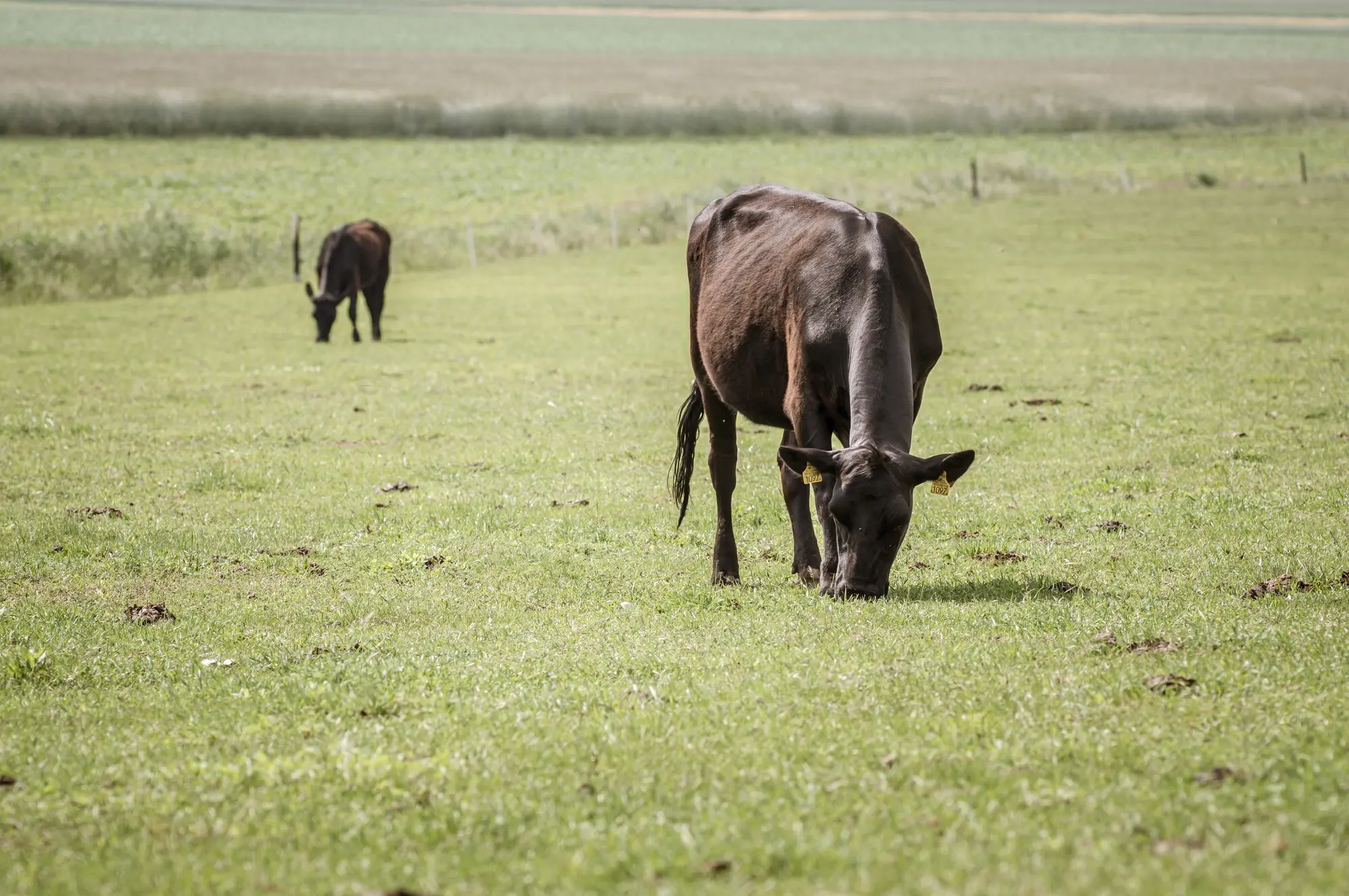
Soft landforms meet living covers that amplify openness. Deep, fine soils favor grasses whose low canopies widen sightlines; patchy moisture and fire keep many hills partly treeless, emphasizing curves over clutter. Add the optics of a high sky dome, long light paths, and reflective pale soils, and the eye breathes easier. In such places, you feel distance gathering kindly rather than leaping abruptly from ridge to ridge.
Trees negotiate with water, wind, and soil. On thin, droughty ridges with caliche or bedrock near the surface, roots struggle and crowns stay small, leaving openings for prairie and scrub. Frequent burns tip the balance toward grasses, while browsing keeps saplings hesitant. The result is a patchwork where gentle slopes remain partly open, tracing bedrock and climate in living color and maintaining broad views without the starkness of bare ground.
Grazing and hayfields did not invent openness, but they often sustain it. On rolling ground with deep mollisols, grass thrives and heals hoofprints, transforming sunlight into a low, shimmering surface that echoes every contour. As herds travel along easy grades and waterlines, paths accentuate curve and flow. Evening light grazes the blades, making relief legible at a glance and turning even modest rises into places that invite lingering.
Spend a year on a modest ridge and watch the palette turn. Spring washes slopes with glints of new grass, summer deepens shadows along swales, autumn paints soils and stems in tawny bands, and winter sketches every wrinkle with frost. These seasonal performances rely on gentle shapes that welcome snow, dew, and low sun, making the countryside readable from far away and inviting you to keep returning with fresh eyes.

Reading the Landscape Like a Field Geologist
Learning to see begins at boot level. Bring a hand lens, a simple map, and patience. Notice rounded divides, spring lines at shale interfaces, crumbly roadcuts, and widely spaced contour lines. Look for terraces that step down a valley, or subtle benches along cuestas. I once traced a dawn breeze across a dipslope and mapped it by cool air pooling; the hill quietly explained itself without a single word.

Farms on the Gentle Divide
Farmsteads often perch where storm water spreads thinly and soils neither drown nor starve roots. On gentle divides, wells tap reliable aquifers, barns avoid frost pockets, and lanes crest ridges that stay firm after rains. Old orchards almost always reveal these choices. When you learn to read the ground this way, settlement patterns make elegant sense, and you can sketch them before you unroll a single plat map.

Paths of Least Resistance
Engineers and animals share a preference for lazy lines. Roads, trails, and game paths wind along valley shoulders, cross saddles, and surf the dipslope grain to conserve energy. Terraces become scenic byways, and floodplains host straight stretches that feel like runways under sky. Once you notice these alignments, you can predict where the next overlook will appear and why it will feel naturally meant for pausing.
All Rights Reserved.